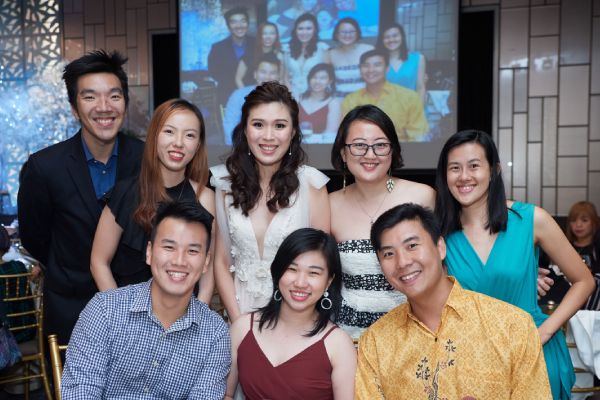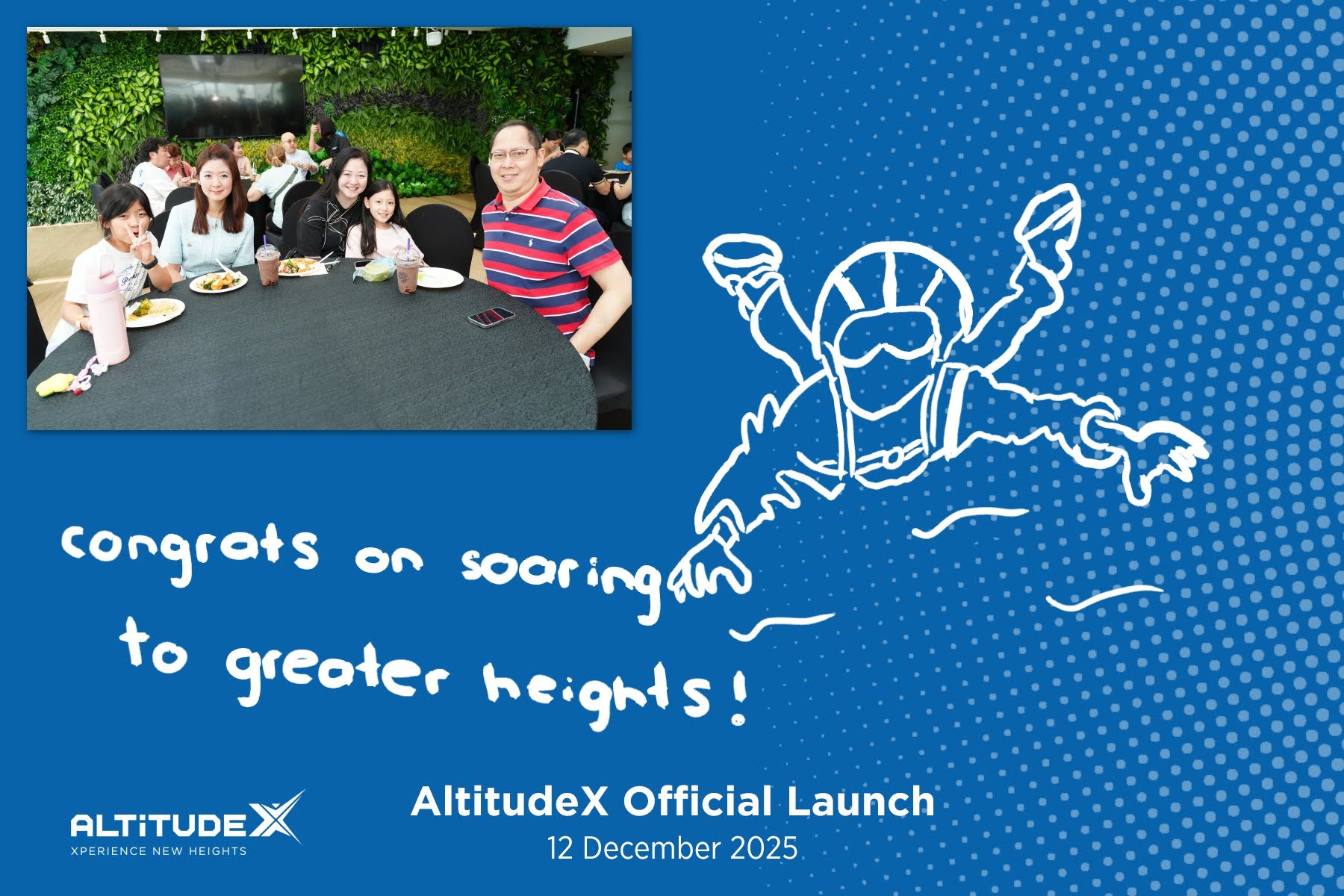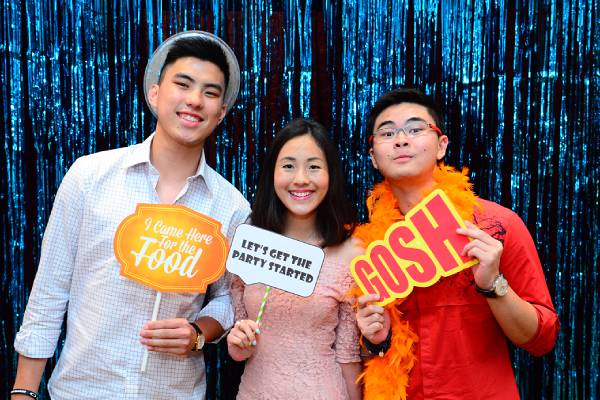
Planning an event in Singapore and wondering how much a professional photographer will cost? Whether it is a corporate dinner, product launch, or gala night, getting the pricing right matters. In this guide, we break down event photography cost in Singapore, what affects the price, and how to get the best value for your budget.
Event Photography Cost in Singapore
Event photography rates in Singapore can range from S$150 to S$800 per hour, depending on the photographer’s experience, the scope of services, and what is included in the deliverables. Here is a general breakdown of event photography cost in Singapore based on current market rates:
| Photographer Level | Hourly Rate (SGD) | What You Get |
|---|---|---|
| Freelance / Entry-Level | S$150 – S$250/hr | Digital files, basic editing, 1–2 week turnaround |
| Seasoned Professionals | S$250 – S$400/hr | Professionally edited gallery, online delivery, same-day selects |
| Premium / Full-Service | S$400 – S$800+/hr | Senior or master photographer trained for in-camera accuracy, live projection, instant delivery for press |
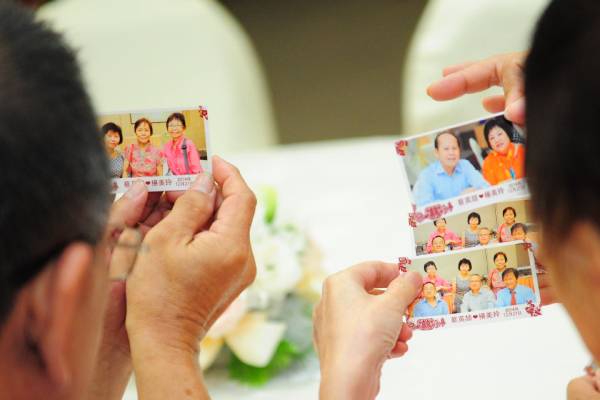
Most event photography in Singapore is booked as a package rather than hourly. A basic 2–3 hour package (photography and digital files only) typically costs S$300 to S$800. Full-production packages for banquets and galas — which include instant prints, live projection, graphic design, and a printing and distribution team — start from S$1,800 to S$3,500 for a standard 4-hour event.
For reference, you can compare published rates from studios including Bokelicious (from S$180/hr), Bespoke Photography (from S$200/hr), Mount Studio (from S$170/hr extended bookings), and Vivid Snaps (S$150–S$300/hr).
What Makes a Seasoned Event Photographer Worth the Premium?
The gap between a S$120/hr freelancer and a S$600/hr senior photographer is not equipment or editing software — both can own the same camera. The difference is in what happens during the event itself, and how that affects the value of the photos you receive.
Knowing What to Shoot — and What to Ignore
A junior photographer documents. Instead, a seasoned photographer edits in real time. At a 500-person gala, there are thousands of possible shots every minute. The experienced photographer already knows which ones matter to you — the CEO’s handshake with the award recipient, the genuine laugh at the head table, the moment the lights dim before the performance. Indeed, they have covered enough events to recognise these moments before they peak, and they are already in position when it happens.
Intervening to Create the Shot
Experienced photographers do not just wait for moments to unfold — they create them. This might mean quietly gathering the right people for a group shot between courses, positioning a VIP slightly differently so the sponsor backdrop reads clearly, or signalling to the host that a particular moment is worth a pause. These micro-interventions are invisible to guests but make a significant difference to the final set of images. In contrast, junior photographers rarely have the confidence or read of the room to do this.
Technical Accuracy Under Difficult Conditions
Here is a useful test: give any decent camera or modern smartphone to anyone in good lighting, and the photos will look acceptable. In fact, lighting does most of the work. This is why corporate headshots in a bright studio or outdoor team photos on a sunny day rarely reveal much about a photographer’s skill level.
The real test is challenging lighting — and Singapore’s premium events are full of it. Gala dinners at Shangri-La Singapore, D&D nights at the Ritz-Carlton Millenia — these venues invest heavily in dramatic lighting design. Coloured stage washes, moving spotlights, amber-heavy ballroom dimming, mixed LED and tungsten sources across the same room. As a result, the colour temperature shifts mid-performance. For instance, a spotlight that looked warm white on the stage reads orange on camera. The ambient fill is too low to expose without flash, but the flash overpowers the mood lighting entirely if not carefully balanced.
A junior photographer in these conditions will typically struggle — photos come out with colour casts, blown highlights on lit subjects, or flat underexposed backgrounds. By contrast, a seasoned event photographer has worked these conditions hundreds of times. They adjust exposure, white balance, and flash power in real time, and they know which parts of the venue to avoid and which angles work with the lighting design rather than against it. The result is consistent, publishable images across an entire six-hour event, regardless of how dramatic or difficult the lighting gets.
In-Camera Accuracy and Instant Delivery
At the highest level of event photography — particularly where live projection is involved — photos must be right in-camera. Consequently, there is no time for post-processing between the shot and the screen. Photographers trained for live projection develop a discipline that produces a different standard of image: correctly exposed, colour-balanced, and composed at the moment of capture. The practical benefit extends well beyond the screen — because these photos do not need corrective editing, they can be delivered to your communications team within minutes of being taken. For press releases, same-night social posts, or stakeholder updates, this is a meaningful operational advantage that a junior photographer simply cannot offer.
Reliability and Professionalism
Furthermore, experienced photographers have contingency plans. Additionally, they carry backup bodies, multiple lenses, spare batteries, and know what to do when a flash fails mid-awards ceremony. They understand event etiquette — when to step back, when to move forward, how to work around a banquet team without disrupting service. These are the things that rarely come up but matter enormously when they do.
What Affects Event Photography Cost in Singapore?
1. Duration of Coverage
The biggest factor in pricing is how many hours of coverage you need. Most photographers offer packages starting at 2–3 hours, with additional hours charged at a reduced rate. For events like dinner and dances or conferences that run 4–6 hours, a half-day package usually offers better value than hourly booking.
2. Number of Photographers
Large events with multiple rooms or stages may need two or more photographers to capture everything. In practice, adding a second photographer typically adds 50–70% of the base rate. For events with over 200 guests, we recommend at least two photographers to ensure full coverage.
3. Type of Event
Different events have different demands:
- Corporate events (conferences, seminars, product launches) — Professional, documentary-style coverage
- Gala dinners and D&Ds — Mix of stage coverage and table-to-table group shots
- Weddings — Extended hours, multiple locations, more post-production
- Exhibitions and trade shows — Booth photography, speaker coverage, networking moments
4. Deliverables and Add-Ons
The base photography rate usually covers shooting and basic editing. Premium add-ons that affect price include:
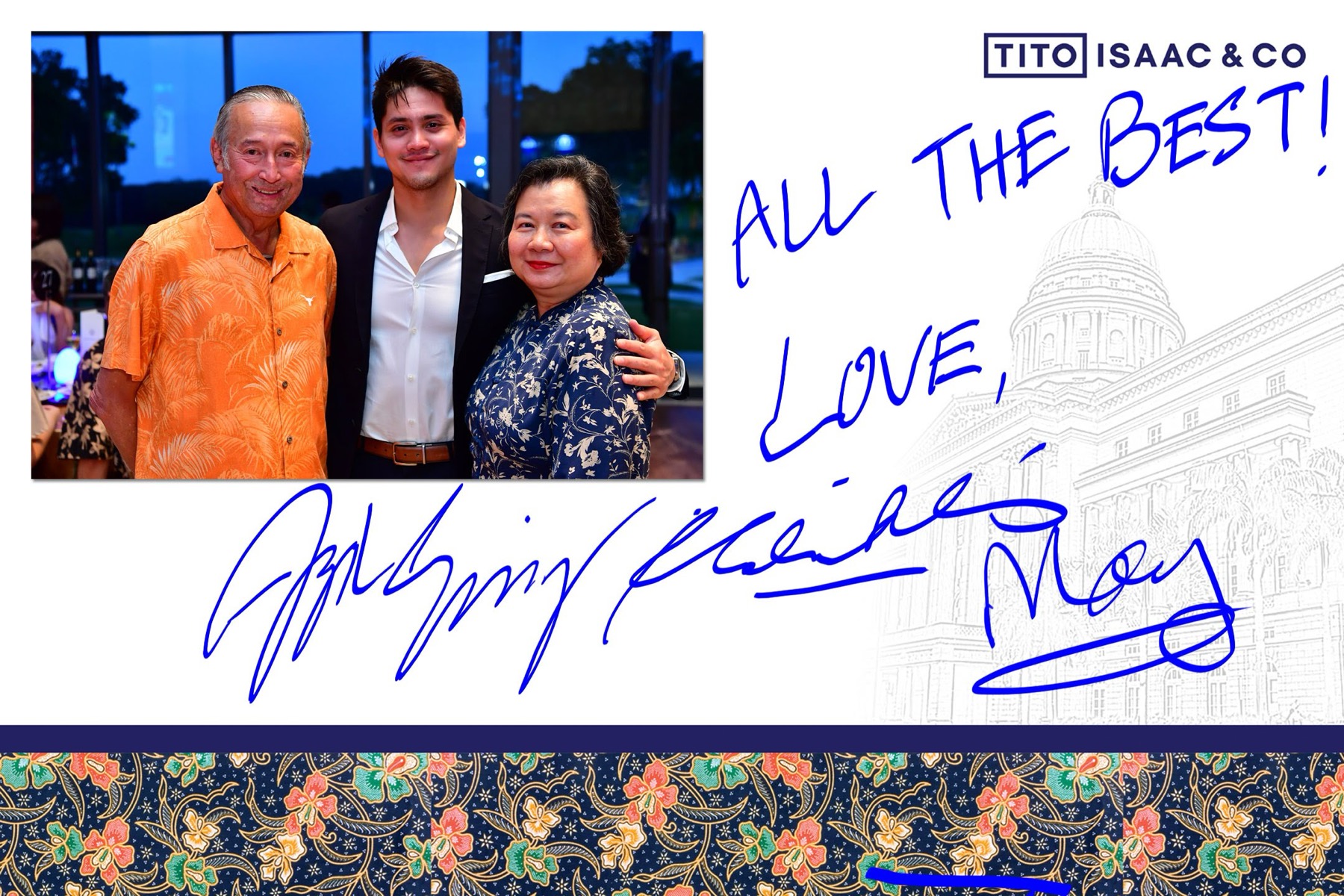
- Instant photo prints — On-site printing with branded overlays ($500–$1,500 add-on)
- Live projection — Real-time photo display on event screens ($800–$2,000 add-on)
- Same-day editing — Edited highlights delivered before the event ends
- Online gallery — Password-protected gallery for guests to download photos
- Video coverage — Many studios offer combined photo and video packages. LiveStudios provides in-house videography; our sister company MovingStills specialises in dedicated video production
5. Turnaround Time
Standard turnaround for most event photographers is 1–2 weeks for fully edited photos. Specifically, this reflects the time needed to cull, colour-correct, and retouch a large shoot.
Studios that shoot with in-camera accuracy — where photos are correctly exposed and colour-balanced at the point of capture — can deliver much faster. At LiveStudios, photos are selected on the spot and ready to send without a post-processing step. Clients routinely receive their photos the same night, which is essential for press releases, same-day social media coverage, or internal communications that need to go out before midnight.
6. Travel and Venue
Most Singapore-based photographers include travel within Singapore in their pricing. For overseas assignments, confirm whether travel and accommodation are included or billed separately.
Event Photography Packages at LiveStudios
At LiveStudios, we have been covering events worldwide for over 20 years. Our team has worked with clients including Apple, Google, Microsoft, EY, and PwC.
What sets our photographers apart is not just experience — it is how they are trained. Because our photos are transmitted live from camera to projection screen during events, our photographers must get colour, exposure, and composition right in-camera. Consequently, there is no time for post-processing between the shot and the screen. This discipline produces a different quality of photographer: one who reads light accurately, anticipates the decisive moment, and intervenes to create valuable shots rather than waiting for them to happen.
The practical benefit for clients goes beyond the event itself. Because our photos do not rely on post-processing to look good, we can deliver press-quality images within minutes of each shot — ideal for same-night press releases, social media posts, and internal communications. You do not have to wait a week for photos that are ready to publish.
Every package is customisable. LiveStudios provides both photography and in-house videography. For events requiring a dedicated video production team, our sister company MovingStills offers specialist video coverage alongside our photography team. Get a customised quote tailored to your specific needs, or view our photography packages for detailed pricing.
How to Choose the Right Event Photographer
When evaluating event photography cost in Singapore, price is important, but it should not be the only factor. Here is what to look for:
Portfolio and Experience
Review the photographer’s portfolio for events similar to yours. A photographer experienced with corporate events will understand the pace, lighting challenges, and key moments to capture. Check for experience with your specific event type — corporate functions, weddings, or private celebrations.
Equipment and Backup
Professional event photographers should have backup camera bodies and lenses. Events are one-time occasions — there is no reshooting a keynote speech or award presentation. Ask about their equipment and contingency plans.
In-Camera Skill vs Post-Processing Dependency
There is a meaningful difference between photographers who get the shot right in-camera and those who rely on heavy post-processing to fix exposure, colour, or composition. For events where photos need to be used immediately — press releases, same-night social posts, live projection — in-camera accuracy matters. Ask whether the photographer can deliver press-ready images on the night, without a post-processing step.
Reviews and References
Look for Google reviews, testimonials, and case studies. A photographer with consistently positive feedback across multiple event types is a safer choice than the cheapest option available. You can read our LiveStudios Google reviews to see what clients say about our work.
Communication and Reliability
Your event photographer should be responsive, punctual, and professional. Clear communication before, during, and after the event makes a significant difference in the final result.
Tips to Get the Best Value
- Book early — Popular dates (year-end D&Ds, CNY events) fill up fast. Booking 4–6 weeks in advance often gets you better rates and photographer availability.
- Bundle services — Combining photography with instant prints or live projection typically costs less than booking them separately.
- Consider off-peak timing — Weekday events or morning sessions may qualify for reduced rates.
- Ask about packages — Package deals almost always offer better value than à la carte hourly booking.
Frequently Asked Questions
How far in advance should I book an event photographer in Singapore?
To secure fair event photography cost in Singapore, we recommend booking at least 3–4 weeks in advance for standard events, and 6–8 weeks for peak season (November–January). Last-minute bookings are sometimes possible but may be subject to availability and rush fees.
Are edited photos included in the price?
Yes, most professional event photography packages include basic editing (colour correction, exposure adjustment, cropping). Advanced retouching or compositing may be charged separately.
Can I get photos on the same day?
Yes. At LiveStudios, same-day delivery is standard — not a premium add-on. Because our photographers shoot with in-camera accuracy and select photos on the spot, there is no post-processing queue. Photos are typically ready to send before the event ends, making same-night press releases and social posts straightforward.
What is the difference between event photography and photobooth services?
Event photography captures candid and key moments throughout your event. A photobooth is a fixed station where guests take posed photos with props. Many events benefit from having both. Read our photobooth vs roving photography comparison for a detailed breakdown.
Do you cover events outside Singapore?
Yes. In over 20 years, LiveStudios has covered events worldwide — across Asia, the Middle East, Europe, and beyond. For overseas assignments, travel and accommodation are confirmed at the time of booking.
Ready to Book Your Event Photographer?
Getting the right photographer for your event does not have to be complicated. At LiveStudios, we make it simple — tell us your event details, and we will put together a package that fits your needs and budget.
Get your customised quote today or view our photography packages to see what we offer. With 20+ years of experience covering events worldwide and a team trusted by leading global and Singapore brands, you are in good hands.
Have questions? Check our FAQ page or contact us directly.